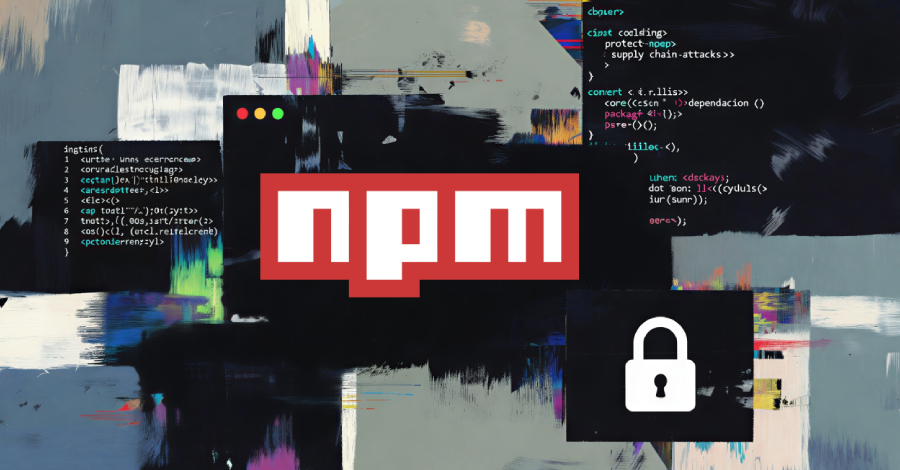

In December 2025, the Node.js package manager, npm, completed a significant authentication system overhaul. This update was a direct response to the Sha1-Hulud security incident and is intended to reduce risks associated with software supply chain attacks.
The changes represent a substantial step in hardening the security of one of the world’s largest software ecosystems. However, npm officials and security experts clarify that the update does not render projects using the registry immune from such threats. The platform remains susceptible to various forms of malware attacks, necessitating continued vigilance from developers.
Background on the Sha1-Hulud Incident
The overhaul initiative was triggered by the Sha1-Hulud incident, a notable supply chain attack that exploited vulnerabilities within the npm ecosystem. This event underscored the critical vulnerabilities present in open-source software dependencies and the potential for widespread impact when a central repository is compromised.
Supply chain attacks involve injecting malicious code into a software component that is then distributed to all downstream users. Given that npm hosts over two million packages and serves as the default registry for the Node.js runtime, it is a high-value target for malicious actors seeking to compromise a vast number of applications and services simultaneously.
Details of the Authentication Overhaul
The completed changes focus on strengthening authentication mechanisms for package publishers and registry interactions. While npm has not publicly disclosed the full technical specifications, the core objective is to make it significantly more difficult for unauthorized parties to publish or modify packages.
This involves enhancing validation processes for publisher identities and tightening the security protocols around package uploads and updates. The goal is to create multiple layers of verification to prevent account takeovers and the injection of malicious code into legitimate packages, a common tactic in recent supply chain compromises.
Persistent Risks and Community Considerations
Despite these improvements, the fundamental architecture of package managers like npm presents ongoing challenges. The security of the entire supply chain is only as strong as its weakest link, which often includes developer workstation security, compromised maintainer accounts, and typosquatting attacks.
Security analysts note that while registry-side security is crucial, a comprehensive defense requires action from the entire Node.js community. Developers are advised to adopt additional security measures, such as regularly auditing their dependency trees, using lockfiles, and implementing tools that scan for known vulnerabilities and anomalous package behavior.
The responsibility for security is shared between registry operators, who must secure the platform, and package consumers, who must practice secure development and deployment habits. This layered approach is considered essential for building a more resilient software supply chain.
Looking Ahead for npm and Ecosystem Security
The npm registry team has indicated that the December 2025 authentication overhaul is part of a longer-term roadmap for ecosystem security. Future initiatives are expected to focus on further enhancing package signing, improving audit trails for publish events, and potentially integrating more advanced behavioral analysis to detect suspicious publishing activity.
Industry observers anticipate that other major language ecosystems and package managers will closely monitor the implementation and effectiveness of npm’s changes. The lessons learned are likely to influence security standards and best practices across the global open-source software community as the collective effort to combat supply chain threats continues to evolve.
Source: Original npm announcement and security advisories