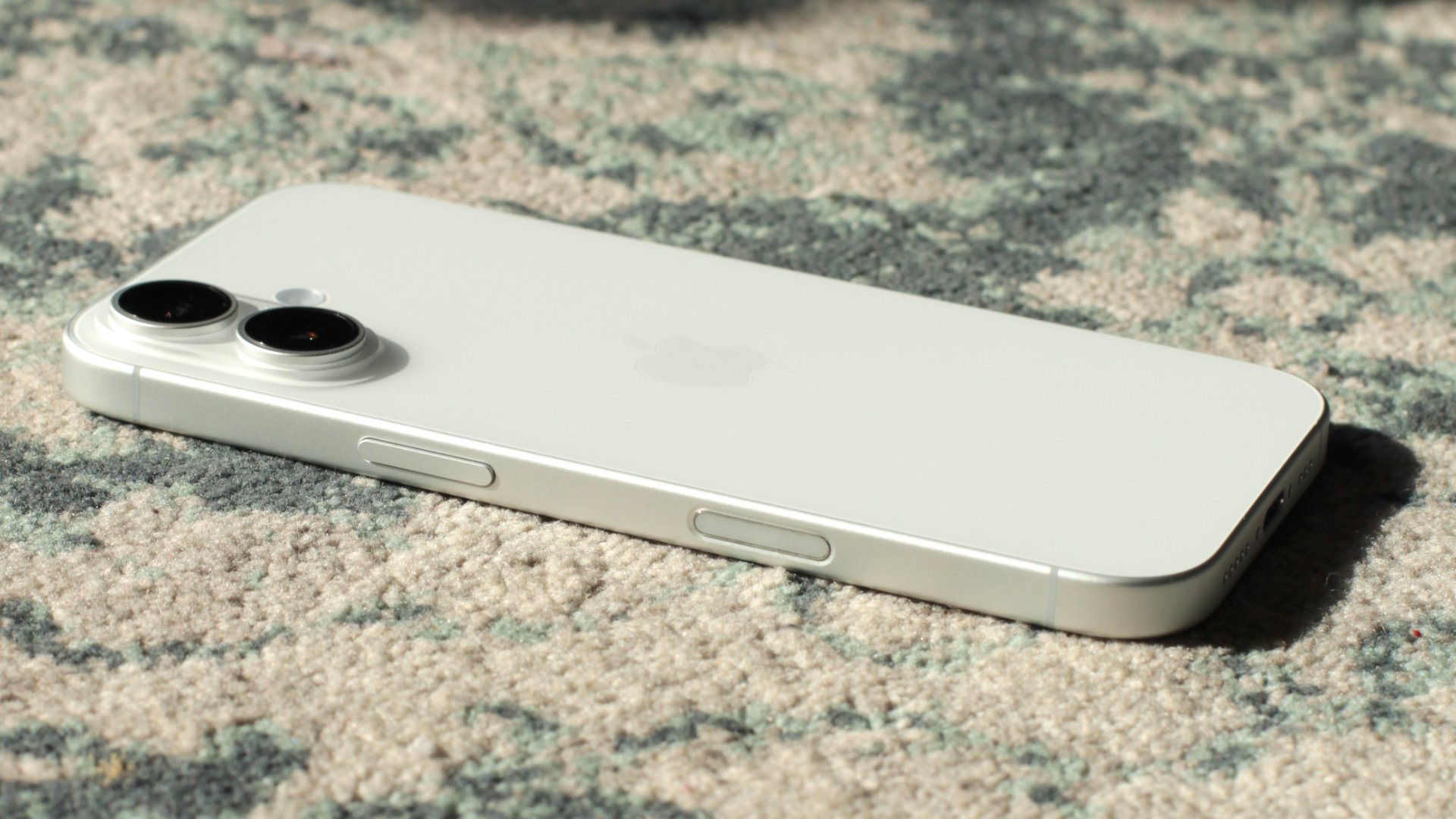

Telecommunications provider T-Mobile has announced a promotion offering a free iPhone 17 to customers who add a new line to an eligible service plan and trade in a qualifying device. The offer, announced this week, represents a significant consumer incentive in the competitive U.S. wireless market.
The promotion requires participants to meet two specific conditions. First, a customer must activate a new line of service on a qualifying T-Mobile postpaid plan. Second, the customer must trade in an eligible smartphone in good functional condition. The exact models considered eligible for trade-in, as well as the specific service plan requirements, are detailed in the carrier’s official offer terms.
Market Context and Carrier Competition
Major U.S. wireless carriers frequently use device promotions to attract new subscribers and encourage existing customers to add additional lines to their accounts. These offers often coincide with the launch of new flagship smartphones, though T-Mobile’s promotion for the iPhone 17 appears to be a standing market strategy. Similar trade-in and line addition deals have been a staple of carrier marketing for several years.
Industry analysts note that the actual cost of the device is typically absorbed by the carrier over the duration of a service contract, often 24 or 30 months, in the form of monthly bill credits. This model ensures customers remain with the carrier for the full period to receive the complete value of the promotion. If a customer cancels the line before the credits are fully applied, remaining device costs may become due.
Consumer Considerations and Fine Print
Prospective customers are advised to review all terms and conditions associated with the offer. Key details include the specific list of phones eligible for trade-in and their required condition, the exact postpaid plans that qualify for the promotion, and the length of the commitment period required to receive the full device credit.
The trade-in process typically involves an assessment of the device’s condition. Phones with cracked screens, significant cosmetic damage, or that fail to power on are generally not accepted. The promotional value is also often tiered, meaning newer or higher-value trade-in devices may receive the maximum credit, while older models may receive a lower value that does not fully cover the cost of the new iPhone.
For consumers, the primary financial consideration is the total cost of the required service plan over the promotion period, compared to the retail price of the iPhone 17. The offer is most advantageous for those who were already planning to switch carriers or add a new line of service.
Industry Reaction and Future Promotions
Competitors Verizon and AT&T are expected to monitor customer response to T-Mobile’s promotion closely. It is common for one carrier’s major device offer to be met with a comparable counter-offer from its rivals, especially during key sales quarters. The dynamic frequently leads to a series of competing promotions throughout the year.
Such aggressive marketing underscores the high value carriers place on subscriber growth, known as net additions, which is a critical metric for investors. Acquiring a new customer, even at a high upfront cost, is often viewed as a long-term investment in recurring service revenue.
Looking ahead, industry observers anticipate continued promotional activity from all major carriers. The focus is likely to remain on bundling the latest high-end devices with premium unlimited data plans. T-Mobile has not specified an end date for the current iPhone 17 offer, indicating it may be available for a limited time or until promotional funding is exhausted.
Source: Mashable