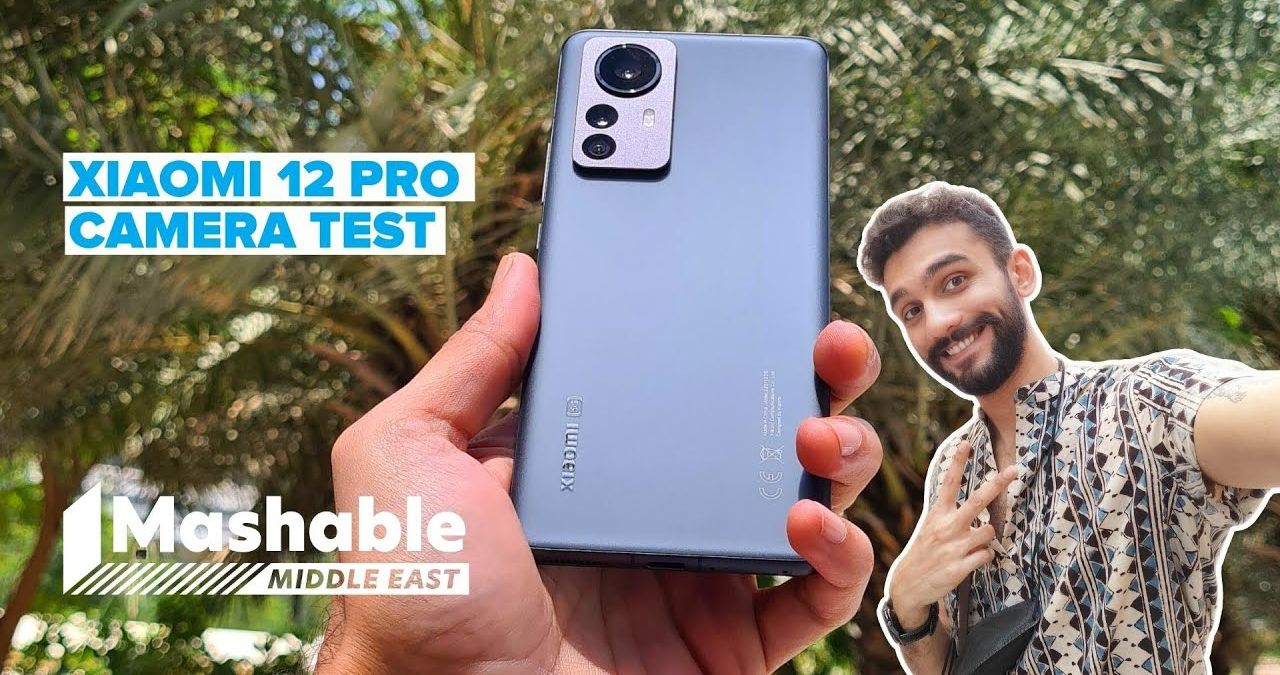

The camera system of the Xiaomi 12 Pro smartphone has undergone a new, independent technical evaluation. The assessment, conducted by a third-party technology publication, examines the device’s photographic capabilities across various lighting conditions and scenarios. This analysis provides consumers and industry observers with empirical data on the performance of a flagship mobile imaging system released earlier this year.
Technical Specifications of the Imaging System
The Xiaomi 12 Pro is equipped with a triple-camera array developed in partnership with Sony. The primary sensor is a 50-megapixel Sony IMX707, which features a large 1/1.28-inch sensor size and 2.44µm pixels after binning. It is accompanied by a 50-megapixel telephoto lens with 2x optical zoom and a 50-megapixel ultra-wide-angle lens with a 115-degree field of view. The front-facing camera for selfies is a 32-megapixel sensor.
The hardware is supported by Xiaomi’s proprietary ProFocus technology, which is designed for fast motion capture and focus tracking. The company’s computational photography algorithms, powered by the Qualcomm Snapdragon 8 Gen 1 processor, handle tasks such as noise reduction, HDR processing, and low-light enhancement.
Reported Findings from the Evaluation
The evaluation tested the main, telephoto, and ultra-wide cameras in daylight, low-light, and portrait scenarios. According to the published findings, the primary camera delivered detailed images with accurate color reproduction and effective dynamic range in well-lit environments. The telephoto module provided lossless zoom at its 2x optical specification.
In challenging low-light conditions, the Night Mode algorithm was activated, reportedly producing images with reduced noise and improved shadow detail. The ultra-wide camera maintained consistent color science with the other sensors, a common challenge for multi-camera setups. The portrait mode utilized depth mapping from the camera system to create a natural-looking background blur, known as bokeh.
Context and Industry Position
The evaluation occurs within a highly competitive segment of the smartphone market, where camera performance is a primary differentiator for flagship devices. Manufacturers like Apple, Samsung, and Google consistently advance mobile computational photography. Independent tests provide a benchmark for comparing the real-world performance of these systems beyond manufacturer claims.
The Xiaomi 12 Pro represents the company’s ongoing effort to compete at the premium tier of the global smartphone market. Its camera system is a central component of that strategy, aiming to match or exceed the capabilities established by longer-standing competitors in regions including Europe and Asia.
Next Steps and Anticipated Developments
Following this evaluation, further independent analyses from other technology reviewers and testing organizations are expected. The performance data will contribute to a broader understanding of the device’s capabilities among consumers. Xiaomi is anticipated to continue refining its imaging software through future over-the-air updates for the 12 Pro series, a common practice in the industry to enhance camera performance post-launch. The company’s next flagship smartphone launch will likely see further iterations on this camera technology, informed by user feedback and competitive advancements.
Source: Mashable