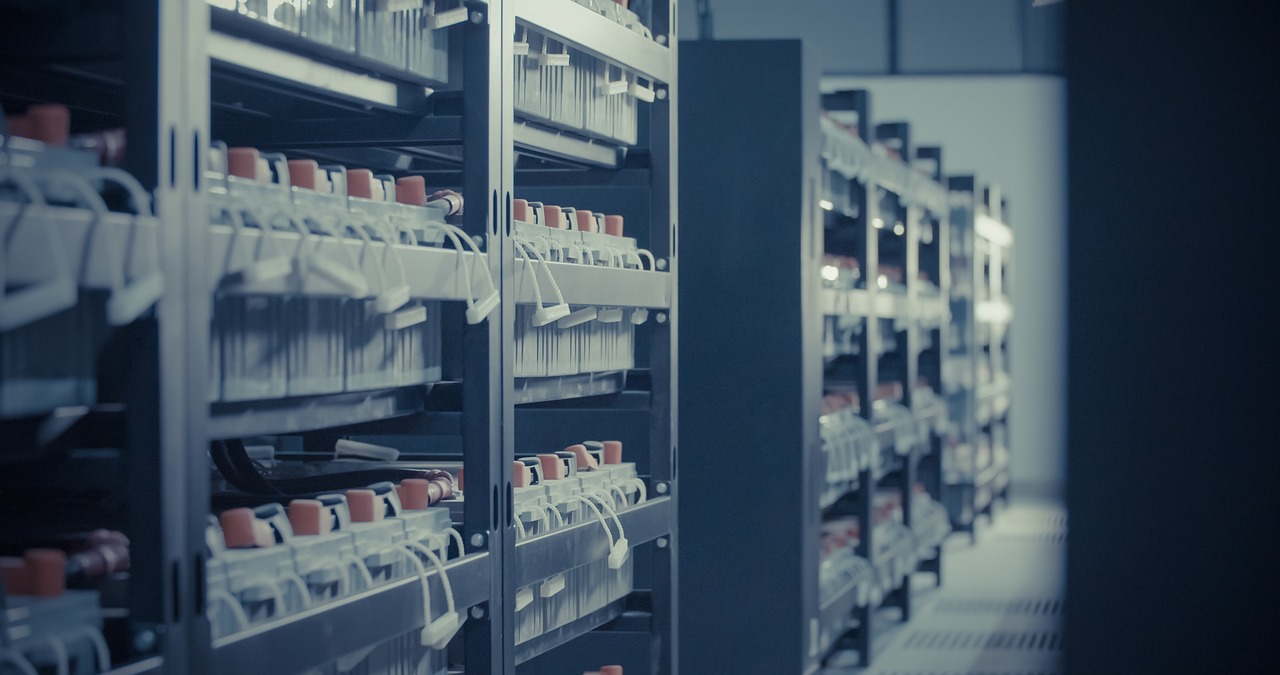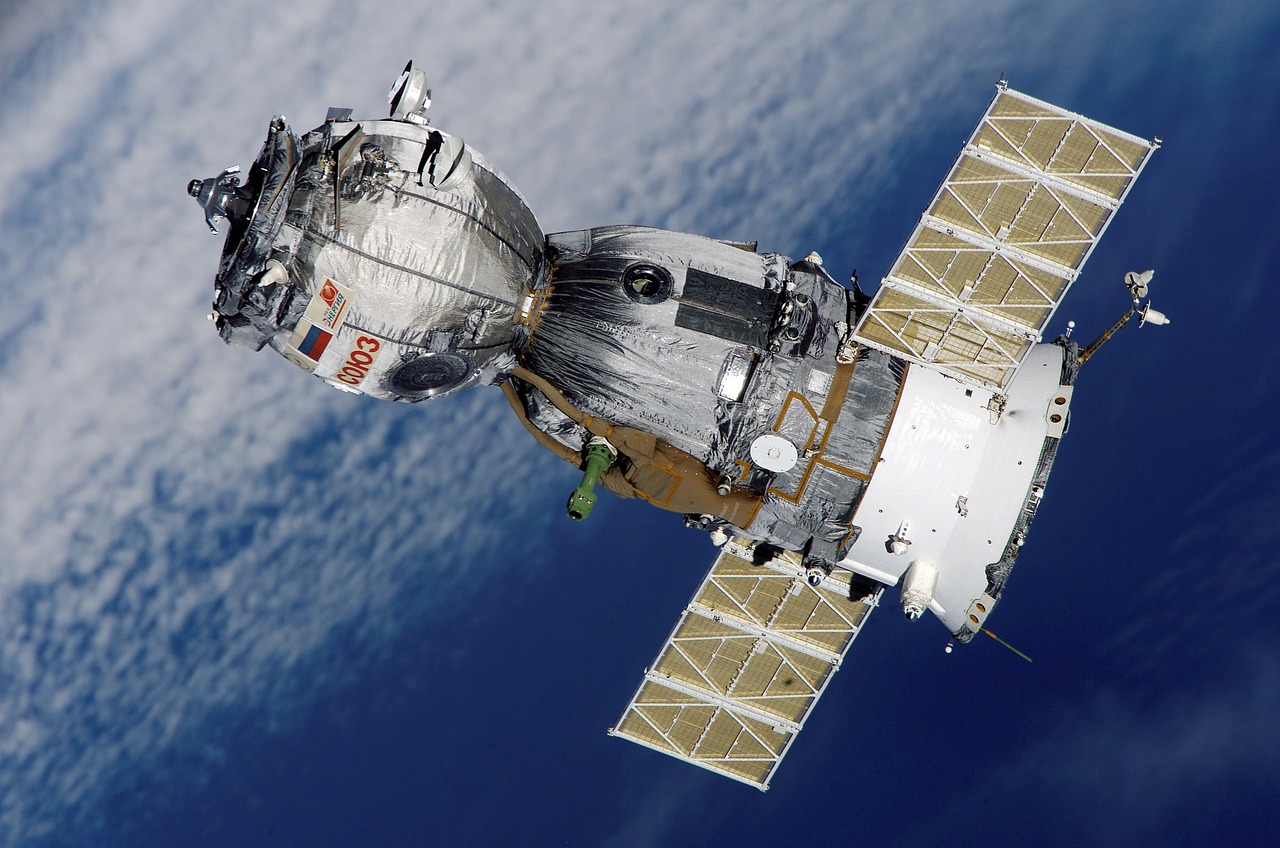

The economics of building artificial intelligence data centers in Earth’s orbit present a formidable financial barrier, with a single large-scale project estimated to cost tens of billions of dollars. This assessment, based on current space infrastructure and launch costs, highlights a significant challenge for companies and governments considering off-planet computing to support advanced AI systems.
The Scale of the Investment
Recent industry analysis indicates that constructing a one-gigawatt orbital data center would require an investment of approximately $42.4 billion. This figure represents the estimated cost for the physical infrastructure, launch services, and assembly in space. The same computing capacity built on Earth would cost roughly a third of that amount, illustrating the premium associated with space-based operations.
The primary cost drivers include the expense of launching massive amounts of hardware into orbit using current rocket technology. Each launch carries a limited payload, meaning hundreds or even thousands of missions would be necessary to transport the servers, power systems, and structural components. Furthermore, the components themselves must be hardened to survive the rigors of launch and the harsh environment of space, adding to their manufacturing cost.
Rationale for orbital computing
Despite the high cost, the concept of orbital data centers is being seriously examined by technology firms and aerospace entities. Proponents point to several potential advantages. A primary benefit is the potential for unlimited cooling using the cold vacuum of space, which could significantly reduce the energy needed to manage heat from powerful AI server racks. On Earth, cooling represents a major operational expense and logistical hurdle for large data centers.
Another cited advantage is the potential for sustainable power. Orbital platforms could be equipped with vast solar arrays operating in perpetual sunlight, unhindered by atmospheric interference or day-night cycles. This could provide a constant, clean energy source for power-hungry AI training and inference tasks.
Industry and Economic Context
The discussion around orbital AI infrastructure occurs amid rapidly growing demand for computational power. The development of large language models and other complex AI systems requires unprecedented levels of electricity and processing capability. Terrestrial data center expansion faces challenges related to land use, water consumption for cooling, and strain on local power grids.
Space-based solutions, while theoretically addressing some of these issues, introduce their own complex set of economic and engineering problems. The $42 billion estimate does not account for ongoing operational costs, such as maintenance performed by robotic systems or astronauts, nor for the significant research and development needed to make such a facility reliable and autonomous.
Future Development Pathways
The path forward for orbital data centers will likely depend on reductions in launch costs and advancements in in-space manufacturing and assembly. Companies like SpaceX, with its fully reusable Starship rocket concept, aim to lower the cost per kilogram of payload delivered to orbit. If such reductions materialize, the economic equation for large-scale space infrastructure could become more favorable.
Initial deployments are expected to be far more modest than a full one-gigawatt station. Several companies have announced plans to test small, proof-of-concept data modules in low Earth orbit within the next few years. These demonstrations will focus on validating the performance and reliability of standard computing hardware in the space environment and testing novel thermal management techniques.
Based on current technology roadmaps, any decision to proceed with a large-scale orbital data center is not anticipated before the late 2030s. The next decade will be focused on critical technology demonstrations, regulatory framework development for space-based digital infrastructure, and further detailed cost-benefit analysis by potential investors and operators.
Source: Industry Analysis Reports