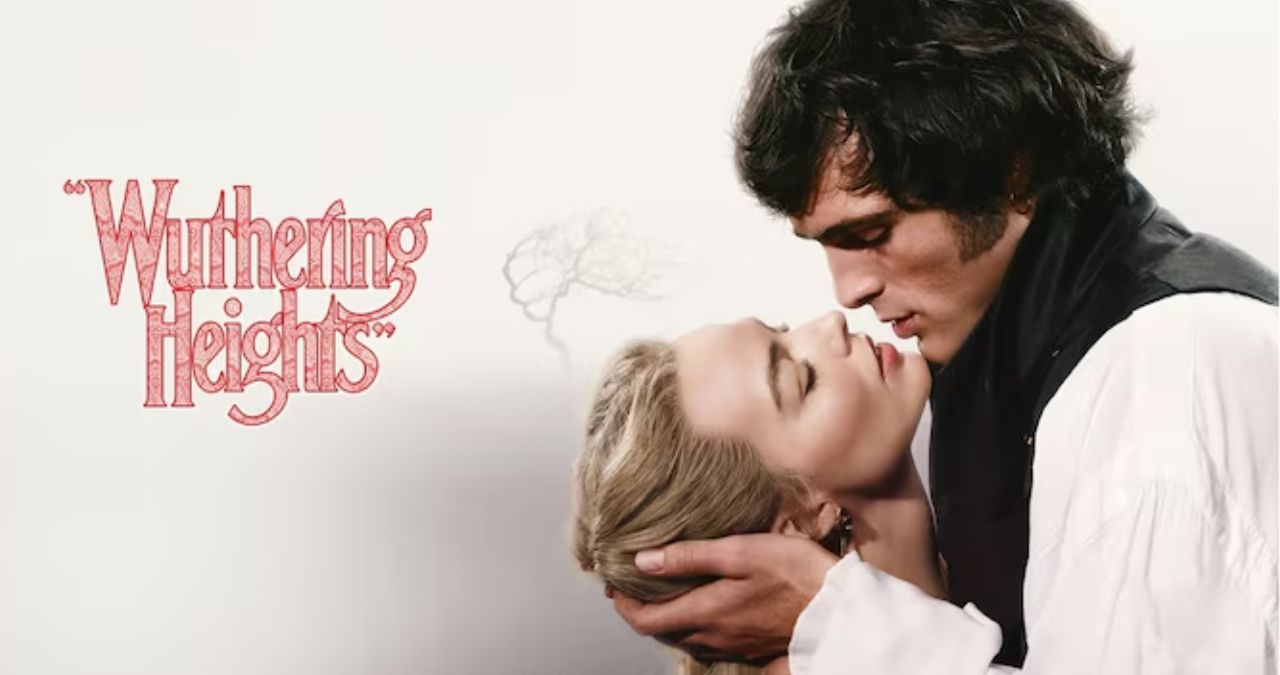

A new film adaptation of Emily Brontë’s classic novel “Wuthering Heights” concludes with a significant departure from the source material’s famously bleak ending. The movie, starring Margot Robbie and Jacob Elordi, presents a resolution where the central love story ends definitively, rather than persisting as a haunting, eternal bond.
The film was released in theaters globally this month. This change to one of literature’s most discussed conclusions has generated discussion among audiences and literary commentators regarding modern interpretations of classic works.
Core Narrative Change
The original 1847 novel concludes with the ghosts of lovers Catherine Earnshaw and Heathcliff reportedly seen walking the moors together after death. This suggests a supernatural, eternal union that transcends their tragic lives. The new cinematic interpretation opts for a more final resolution to their passionate but destructive relationship.
In the film’s version, the cycle of obsession and revenge that defines their connection is shown to conclude. This alteration shifts the thematic emphasis from doomed eternity to a finite, if still tragic, love story. The production’s director has stated this choice was intended to provide a clearer emotional closure for contemporary viewers.
Reactions from Literary Circles
Scholars of Brontë’s work have noted the change. Some academics argue the eternal haunting is central to the novel’s Gothic nature and its commentary on passion and memory. Others suggest adaptations naturally reflect the perspectives of their time, and a finite ending may resonate with modern sensibilities.
General audience reception appears mixed. Some viewers appreciate the more concrete conclusion, while purists express a preference for the ambiguous, supernatural ending of the book. Online forums and review platforms show active debate comparing the two versions.
Context of Adaptation
“Wuthering Heights” has seen numerous film and television adaptations since the silent era. Each version has made selective changes to plot, characters, and emphasis. This latest adaptation is not the first to alter the ending, though the specific choice to definitively end the love story is a notable narrative decision.
The casting of high-profile actors like Margot Robbie and Jacob Elordi has brought renewed mainstream attention to the 19th-century story. The project was positioned as a major studio release, contrasting with smaller-scale or independent productions of classic literature in recent years.
Future Analysis and Releases
Further critical analysis of the film’s narrative choices is expected as more audiences see the production. The movie’s performance in international markets may influence how studios approach future adaptations of classic literary works with complex or dark endings.
The home media and streaming release schedule is anticipated within the next several months. This wider availability will likely fuel additional comparative discussion between the film and Brontë’s original text in educational and cultural settings.
Source: Mashable