
A cyber threat group linked to North Korea has been observed targeting cryptocurrency organizations with a sophisticated campaign that leverages artificial intelligence-generated lures to steal sensitive data. The group, tracked by cybersecurity researchers as UNC1069, aims to facilitate financial theft by compromising both Windows and macOS systems.
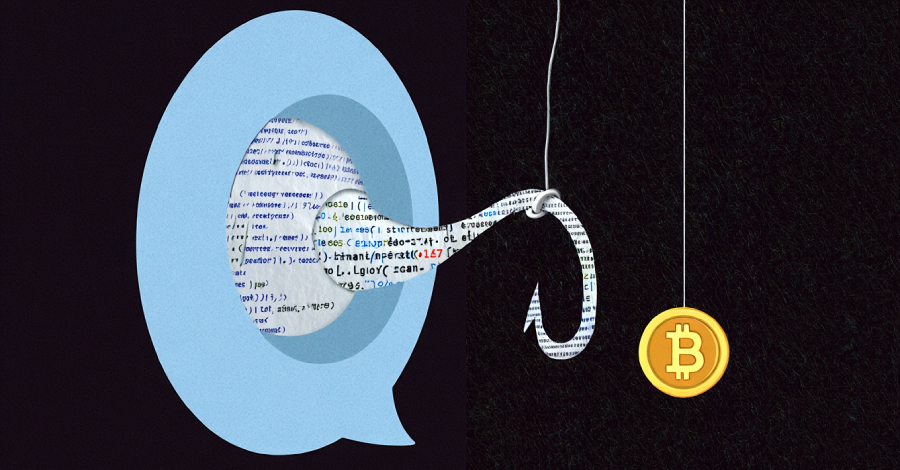
The campaign’s intrusion method relied on a multi-stage social engineering scheme. According to a technical analysis, the operation began with a compromised Telegram account belonging to a legitimate member of the cryptocurrency community. This account was then used to initiate contact with potential victims.
Anatomy of the Attack Chain
The threat actors used the compromised account to invite targets to a fake Zoom meeting. To add credibility, the meeting invitation and related communications are reported to have utilized content generated by artificial intelligence. This use of AI helps create more convincing and polished lures, making the social engineering attempt harder to detect.
Following initial contact, the attackers distributed a malicious link. This link led to a download described as a “ClickFix infection vector.” This type of malware is designed to gain an initial foothold on a victim’s computer. Once installed, it can steal sensitive information, including credentials and financial data, from the infected systems.
Motivation and Attribution
The primary motivation behind the campaign is financial theft. North Korea-linked hacking groups are well-documented for targeting the cryptocurrency sector to generate revenue for the sanctioned regime. These groups have stolen billions of dollars worth of digital assets over several years, funding the country’s weapons programs and circumventing international sanctions.
Attribution to UNC1069, a group associated with North Korean interests, is based on technical indicators and tactical overlaps with known campaigns from the region. The focus on cryptocurrency firms, the social engineering tactics, and the malware tools used align with the documented patterns of state-sponsored actors from North Korea.
Implications for Cybersecurity
This campaign highlights an evolving threat landscape where advanced persistent threat (APT) groups are incorporating new technologies like generative AI into their operations. The use of AI allows for more personalized and convincing phishing lures, which can bypass traditional email security filters that look for grammatical errors or awkward phrasing.
The cross-platform nature of the attack, targeting both Windows and macOS, demonstrates the actors’ intent to cast a wide net. It underscores the need for organizations in the high-risk cryptocurrency industry to implement robust security measures across all endpoints, regardless of operating system.
Security experts recommend that organizations enforce multi-factor authentication on all business communication accounts, conduct regular employee training on advanced social engineering tactics, and maintain up-to-date endpoint detection and response (EDR) solutions. Vigilance is required even with communications that appear to come from known contacts.
Based on available information, cybersecurity firms and government agencies are expected to release more detailed indicators of compromise (IOCs) related to this campaign. Organizations in the fintech and cryptocurrency sectors are likely to be advised to review their security logs for signs of this activity. The continued financial pressure on North Korea suggests that similar sophisticated attacks targeting digital assets will persist, requiring ongoing international cooperation and heightened defensive postures from potential targets.
Source: Adapted from cybersecurity reporting