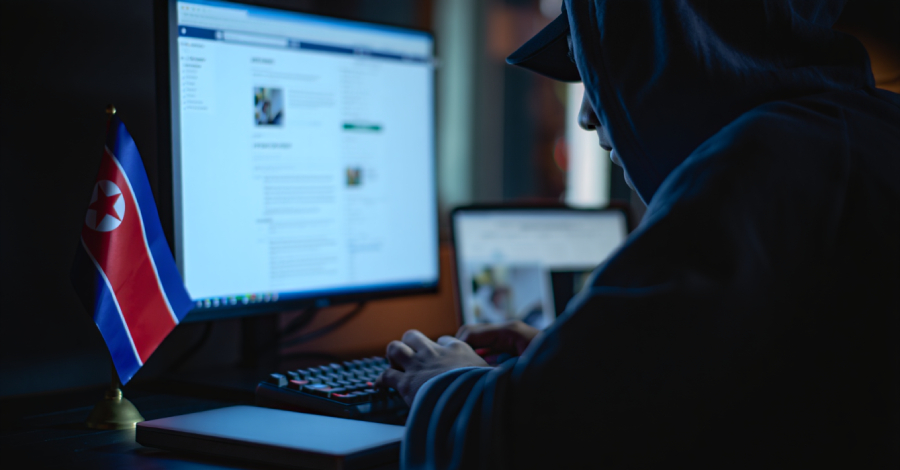

Information technology workers linked to North Korea are applying for remote jobs using fraudulent LinkedIn profiles that impersonate real professionals. This represents a significant escalation in long-running cyber recruitment schemes, according to security analysts. The operatives use stolen or fabricated identities with verified workplace emails and badges to bypass hiring safeguards.
Evolution of a Known Threat
For years, cybersecurity firms and government agencies have tracked IT workers from the Democratic People’s Republic of Korea (DPRK) who seek employment at companies abroad. Their goal is to generate revenue for the sanctioned regime and potentially gain access to sensitive corporate networks. Previously, these operatives often created profiles from scratch or used poorly fabricated resumes.
The new tactic involves a more sophisticated approach to identity theft. Instead of building a fictional persona, the operatives impersonate actual, credentialed professionals. They copy details from legitimate online profiles, including work history, skills, and sometimes even photos. This makes the fraudulent application far more difficult for hiring managers and automated screening tools to detect.
How the Scheme Operates
The process typically begins with the creation of a LinkedIn profile that closely mirrors a real person’s career trajectory. The operatives then acquire or fabricate supporting documentation. This includes corporate email addresses that appear legitimate and digital copies of employee identification badges.
These elements are used to apply for freelance or full-time remote positions, particularly in software development, cryptocurrency, and other tech-adjacent fields. Once hired, the worker can divert salary payments to accounts controlled by the North Korean government. More critically, they can install malware, steal intellectual property, or establish a persistent backdoor within a company’s infrastructure.
Official Warnings and Industry Response
In recent advisories, authorities from the United States, South Korea, and other nations have highlighted this specific threat. They warn that the DPRK’s cyber workforce is highly motivated and skilled at social engineering. The use of mainstream professional networks like LinkedIn gives the operation an air of legitimacy that is hard to question during a standard hiring process.
Major technology platforms, including LinkedIn’s parent company Microsoft, have acknowledged the challenge. They state that their security teams work continuously to identify and remove fake accounts and coordinated inauthentic behavior. However, the dynamic nature of the threat means some profiles inevitably evade detection, at least temporarily.
Implications for Global Hiring
The escalation poses a direct challenge to the growing trend of remote and global hiring. Companies that rely on digital profiles and remote interviews as primary vetting tools are at increased risk. Security experts note that the financial incentive for the DPRK is substantial, with estimates suggesting these schemes have generated hundreds of millions of dollars for Pyongyang’s weapons programs.
This activity blurs the line between cybercrime and state-sponsored espionage. While the immediate goal is financial, the long-term access gained could be leveraged for broader intelligence gathering or disruptive attacks, depending on the victim company’s industry.
Recommended Protective Measures
Cybersecurity agencies recommend that companies, especially in technology and finance, enhance their vetting for remote positions. Suggestions include conducting thorough video interviews, verifying credentials directly with past employers, and implementing stricter access controls for new hires. Multi-factor authentication and zero-trust network architectures can limit the damage if a malicious actor does gain employment.
Individuals are advised to monitor their professional online presence for signs of impersonation. Unexplained connection requests or notifications about profile changes from unfamiliar locations can be red flags.
Looking ahead, security researchers expect these impersonation tactics to become more refined. The ongoing development of generative artificial intelligence could make creating fake video and audio for interviews easier, further complicating detection. International law enforcement collaboration is likely to intensify, focusing on disrupting the financial networks that funnel stolen wages back to North Korea. Companies worldwide are anticipated to adopt more rigorous, identity-centric security checks as a standard part of the remote hiring lifecycle.
Source: Multiple cybersecurity advisories