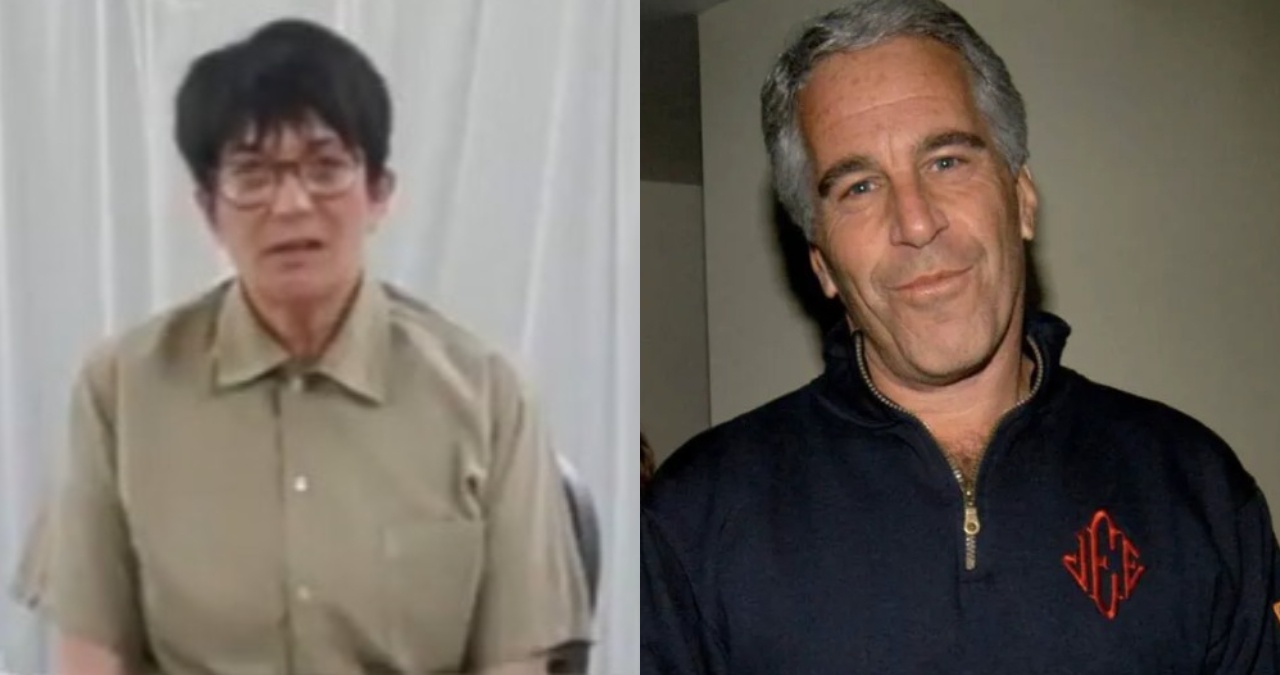

Ghislaine Maxwell, the convicted former associate of Jeffrey Epstein, has formally declined to testify in a related civil lawsuit and has appealed to former President Donald Trump for clemency. The development was reported from the federal prison where Maxwell is serving a 20-year sentence for her role in the sex trafficking conspiracy.
Maxwell’s legal team confirmed her decision not to provide testimony in the ongoing civil case, which involves several of Epstein’s accusers. Simultaneously, her representatives have publicly sought a presidential pardon or a commutation of her sentence from Trump, who is currently campaigning for the 2024 election.
Legal and Procedural Background
Ghislaine Maxwell was convicted in December 2021 on multiple federal charges, including sex trafficking of a minor and conspiracy. The charges stemmed from her involvement with the late financier Jeffrey Epstein, who died by suicide in a Manhattan jail cell in 2019 while awaiting his own sex trafficking trial. Maxwell’s sentencing to 20 years in prison followed a high-profile trial that detailed a years-long scheme to recruit and groom underage girls for Epstein.
The current civil litigation, where Maxwell has invoked her Fifth Amendment right against self-incrimination, is separate from her criminal case. Legal experts note that defendants often refuse to testify in civil matters to avoid providing statements that could be used against them in other proceedings or potential future appeals.
The Clemency Appeal to Donald Trump
The appeal for executive clemency directed at former President Trump marks a significant turn in Maxwell’s post-conviction strategy. While in office, Trump granted clemency to several high-profile individuals, though he has not publicly commented on Maxwell’s case. The power to pardon federal offenses or commute sentences rests solely with the President of the United States.
Historically, clemency appeals are lengthy processes reviewed by the Justice Department’s Office of the Pardon Attorney. However, presidents have broad discretion to act outside of that formal process. Maxwell’s appeal joins a list of other high-profile requests that have become part of the political landscape during election cycles.
Reactions and Implications
The victims’ attorneys in the civil case have stated that Maxwell’s refusal to testify, while a legal right, denies their clients an opportunity for accountability and truth-seeking. They argue her testimony is crucial to understanding the full scope of Epstein’s network.
Prosecutors from the original criminal case have previously emphasized that Maxwell’s conviction was a result of overwhelming evidence and testimony from multiple victims. They maintain that the sentence was just and necessary.
Public and media attention on the Epstein case remains intense, with continued interest in the conduct of other associated individuals. Maxwell’s actions are seen as a strategic legal maneuver to protect her remaining avenues for appeal and to seek a reduction in her prison term through executive action.
Next Steps and Expected Developments
The civil lawsuit is expected to proceed without Maxwell’s testimony, relying on other evidence and witness accounts. Legal observers anticipate motions from plaintiffs’ lawyers to draw negative inferences from her decision to remain silent, a common practice in civil proceedings.
Regarding the clemency appeal, no official timeline exists for a response. The decision rests entirely with the former president, should he choose to consider it. The outcome may depend on the evolving political context as the 2024 presidential campaign continues. Meanwhile, Maxwell’s legal team is concurrently pursuing standard appellate reviews of her criminal conviction through the federal court system.
Source: Various wire services and court filings