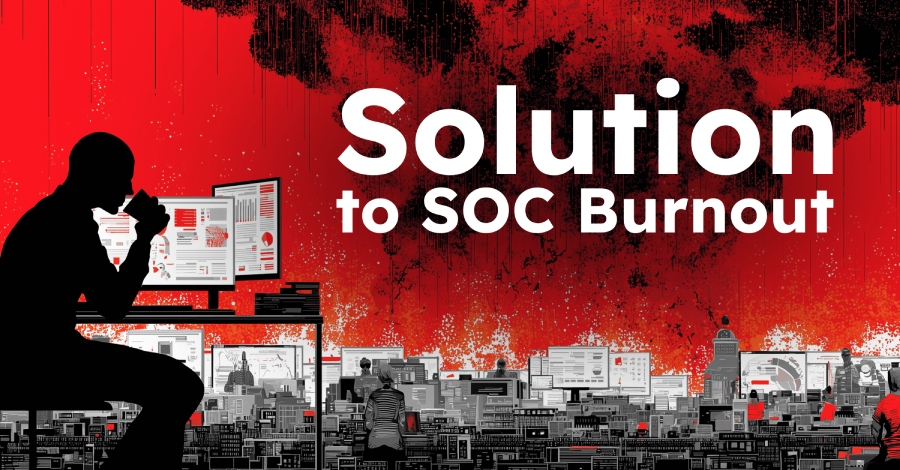

Chief Information Security Officers (CISOs) at leading organizations are implementing new operational strategies to combat analyst burnout and improve security response times. This shift comes in response to widespread challenges where Security Operations Center (SOC) teams face overwhelming alert volumes and prolonged incident resolution, known as Mean Time to Respond (MTTR), despite significant investments in security technology.
The Core Challenge for Security Teams
Security teams globally report a consistent pattern of difficulties. Routine triage and investigation tasks accumulate, creating backlogs that delay critical threat response. This often forces senior-level security specialists to divert their attention from complex threat hunting to perform basic alert validation, a inefficient use of skilled personnel. The result is extended MTTR, which provides adversaries with more time to operate within a network, and increased employee fatigue leading to burnout and high turnover.
Industry observers note that these problems frequently persist even after organizations deploy additional security software tools. The accumulation of disparate platforms can sometimes add complexity to workflows rather than streamline them, contributing to the very issues they are meant to solve.
A Strategic Shift in Approach
In reaction to this, a growing number of CISOs are moving away from traditional solutions centered on continuous hiring or adding more point solutions. Their strategy focuses instead on optimizing existing team workflows and capabilities. The central objective is to provide SOC analysts with faster, clearer, and more actionable intelligence at the point of decision.
This involves enhancing the quality of alerts that reach human analysts by filtering out noise and false positives through better tool integration and tuning. Furthermore, it includes providing context-rich data alongside alerts, so analysts do not need to manually correlate information from multiple systems. The goal is to accelerate the triage process and enable faster, more accurate decision-making.
Focus on Process and Clarity
The implemented measures are fundamentally procedural and informational. CISOs report initiatives to standardize playbooks for common incident types, ensuring consistent and efficient response. There is also a push to improve the clarity of security dashboards and reporting, presenting data in a way that directly supports rapid assessment and action.
By reducing cognitive load and manual, repetitive tasks, these approaches aim to free up analyst time for more strategic work. This not only addresses the immediate problem of slow MTTR but also contributes to improved job satisfaction and retention by making roles more engaging and less prone to fatigue.
Industry Implications and Future Outlook
The trend indicates a maturation in cybersecurity management, moving from a purely tool-centric procurement model to a focus on operational efficiency and human factors. This evolution recognizes that technology alone cannot resolve workflow and personnel challenges. The effectiveness of a security program is increasingly seen as dependent on how well tools, processes, and people are integrated.
Looking ahead, industry analysts expect this focus on operational efficiency to continue driving vendor innovation. Security tool developers are likely to place greater emphasis on features that reduce analyst workload, such as automated investigation steps, integrated threat intelligence, and intuitive case management systems. The success of these CISO-led initiatives will be measured by tangible reductions in MTTR metrics and improvements in SOC team retention rates in the coming quarters.
Source: Industry Analysis