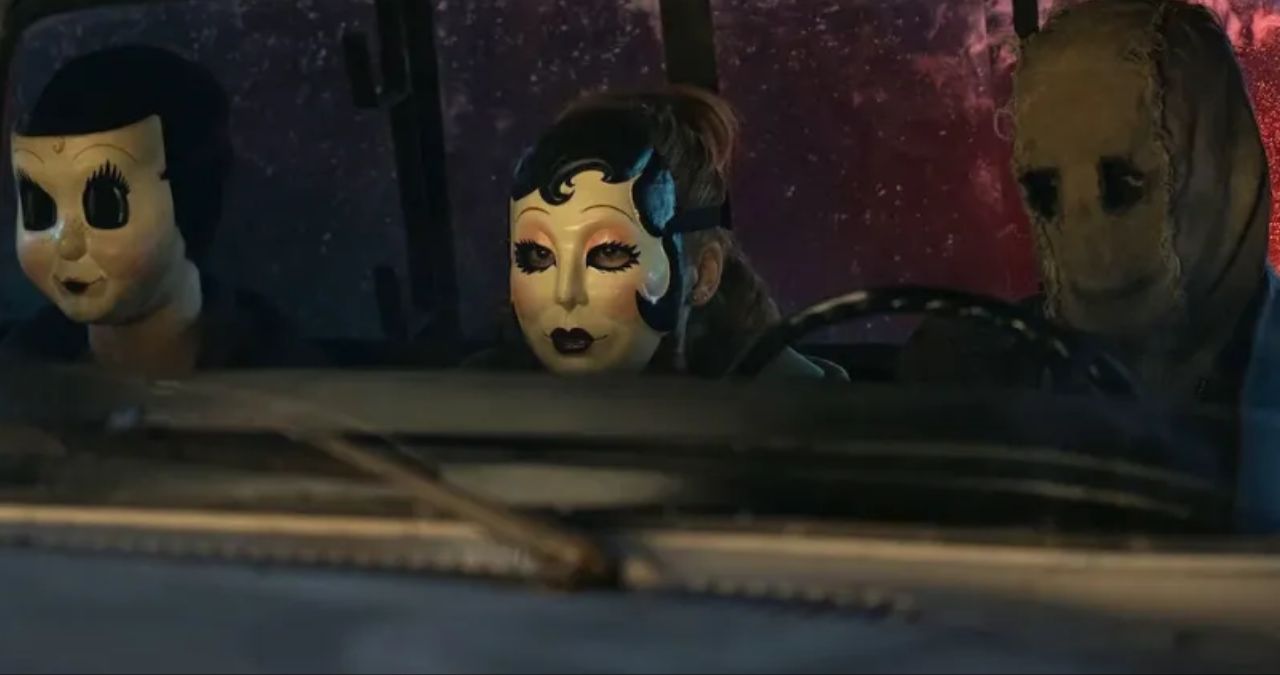

The third and final installment in the rebooted “The Strangers” horror film trilogy, titled “The Strangers: Chapter 3,” has been released to widespread critical disappointment. The film, which concludes a new trilogy launched earlier this year, premiered globally on digital platforms and in select theaters this week. Its reception is significant within the entertainment industry as a case study in franchise expansion and audience expectations for concluding chapters in horror series.
Critical Reception and Core Complaints
Initial reviews from major film critics and entertainment publications have been overwhelmingly negative. The consensus describes the film as a lifeless conclusion that fails to deliver effective scares or a satisfying narrative resolution. Critics note that the finale undermines the core elements of suspense and mystery that defined the original 2008 film, “The Strangers.”
Common points of criticism include a perceived lack of tension, predictable plot developments, and an execution that reviewers say diminishes the horror genre’s fundamental purpose. The film has been characterized as a joyless experience that eliminates both the enigmatic threat of its antagonists and any sense of narrative mercy for its characters.
Background on the Franchise Revival
“The Strangers: Chapter 1” initiated a new trilogy in May 2024, conceived as a modern re-imagining and expansion of the original cult classic. The project, directed by Renny Harlin, was filmed back-to-back as a single production, with the chapters intended for a rapid release schedule. The strategy aimed to capitalize on existing intellectual property and a built-in audience for home invasion horror.
The original 2008 film, directed by Bryan Bertino, was noted for its minimalist approach and psychological terror, stemming from its premise of random violence. The new trilogy sought to explore a broader storyline while retaining the masked antagonists’ central motif.
Industry and Fan Reactions
The disappointing response to the final chapter has sparked discussion among industry observers and fans on social media and film forums. Many long-time followers of the franchise have expressed frustration, arguing that the trilogy’s conclusion betrays the unsettling ambiguity that made the original film memorable.
Box office and streaming performance data for the third chapter is still being aggregated. However, analysts suggest that poor critical word-of-mouth may impact its commercial performance in the coming weeks, especially compared to the first chapter’s debut.
Implications for Future Horror Franchises
The reception of this trilogy’s conclusion may influence studio strategies for similar horror franchise revivals and multi-part film projects. It highlights the challenges of stretching a simple, high-concept premise into a extended narrative while maintaining quality and audience engagement across multiple releases.
Film scholars and critics often point out that the horror genre relies heavily on suspense and the unknown, elements that can be difficult to sustain over several feature-length installments released in quick succession.
Looking Ahead
With the trilogy now complete, no further installments in “The Strangers” series have been officially announced by the production studio, Lionsgate. Industry attention will likely shift to measuring the trilogy’s overall financial return and its long-term impact on the value of the horror property. Future projects may depend on final viewership metrics from streaming platforms, which are typically released several weeks after a film’s premiere.
Source: Mashable