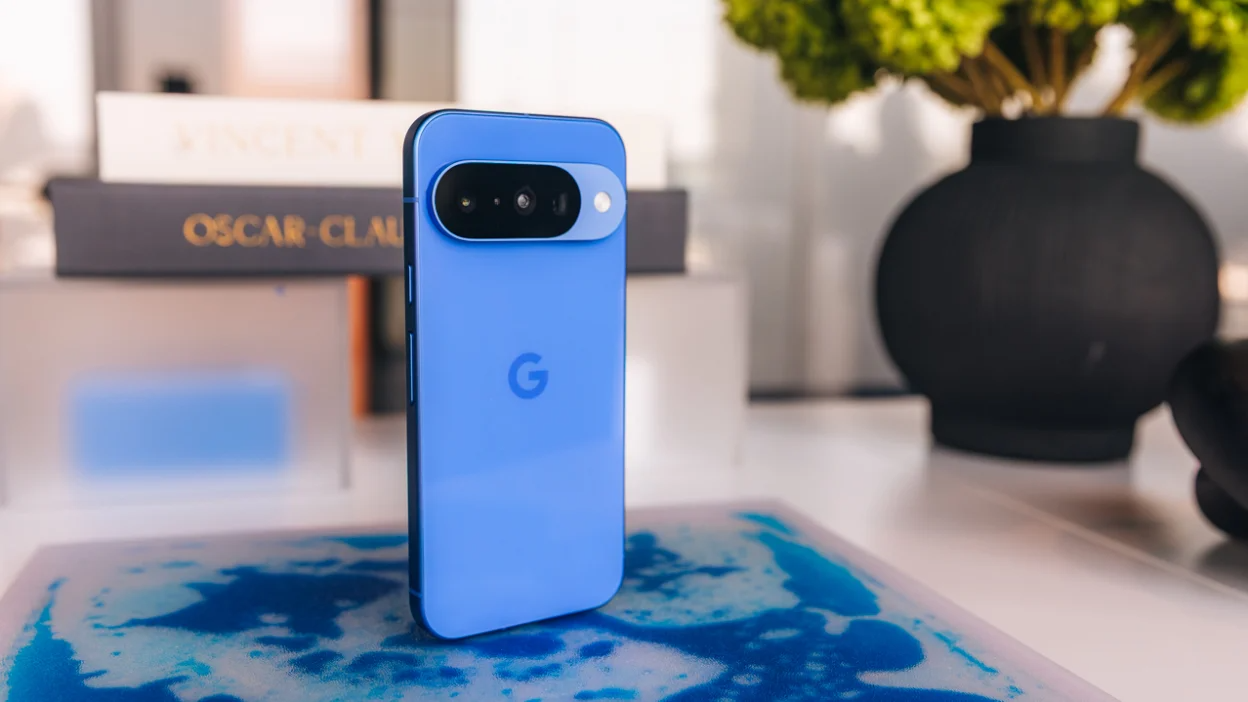

Google has confirmed that its proprietary file-sharing feature, previously exclusive to its Pixel 10 series smartphones, will now be made available to a wider range of Android devices. The announcement, made by the company this week, signals a significant expansion in cross-platform compatibility, aiming to create a more seamless file transfer experience between Android phones and Apple’s iPhones.
Breaking Down Platform Barriers
The technology, which functions similarly to Apple’s AirDrop service, allows users to share files, photos, and links quickly with nearby devices without requiring an internet connection. Its initial limitation to Google’s flagship Pixel line had been a point of discussion among Android users. The decision to broaden availability addresses a long-standing gap in the ecosystem, where transferring files between different operating systems has often required third-party applications or slower, more cumbersome methods like email or messaging services.
Google’s system utilizes a combination of Bluetooth for device discovery and peer-to-peer Wi-Fi for establishing a fast, direct connection to transfer data. This approach is designed to maintain user privacy by not uploading files to any cloud server during the process. The expansion means that millions more Android users will soon have a native, system-level tool for effortless sharing with both other Android devices and iPhones.
Industry Context and User Impact
The move comes as part of a broader industry trend toward improving interoperability between competing tech platforms. For years, the walled gardens of iOS and Android have made simple tasks like sharing a high-resolution video between users on different platforms needlessly complex. Google’s initiative, alongside Apple’s participation in broader cross-platform messaging standards, indicates a gradual shift toward prioritizing user convenience over strict platform loyalty.
For the average user, the practical implications are straightforward. Sharing a vacation photo album from an Android phone to an iPhone, or sending a document from an iPhone to an Android tablet, will no longer require checking which apps both parties have installed. Instead, the feature will be integrated directly into the standard sharing menu of the operating system, provided both devices have the functionality enabled and are within close proximity.
Rollout and Technical Requirements
Google has not released a full, public list of which specific Android phone models will gain support or a precise timeline for the global rollout. The expansion is expected to occur via an update to Google Play Services, the background system component that delivers core functionality to Android devices. This method allows Google to deploy the feature without requiring manufacturers to issue full operating system updates, which can often be delayed.
Technical requirements will likely include a relatively modern version of the Android operating system and compatible hardware that supports the necessary Bluetooth and Wi-Fi Direct protocols. Device manufacturers may need to implement some device-specific drivers or certifications to ensure full functionality and security. Google stated that it is working with its Android partners to facilitate the broadest possible adoption.
The confirmation from Google follows a period of speculation and code discoveries within beta versions of Android software, which hinted at the planned expansion. These findings suggested that the underlying framework for the feature was being decoupled from the Pixel-exclusive software layer, paving the way for wider distribution.
Looking Ahead
The next phase involves a staged rollout to non-Pixel Android devices, beginning with newer models from major manufacturers. Google is expected to provide more detailed information on supported devices and regions in the coming weeks. The long-term success of the feature will depend on its adoption rate across the fragmented Android landscape and its reliability in real-world use, where it will directly compete with established third-party alternatives and Apple’s own robust AirDrop system.
Source: Mashable