
The global console gaming market is demonstrating stability despite economic pressures and recent financial reports from major platform holders. This assessment follows the release of quarterly earnings from Microsoft, which showed a decline in its games division revenue.
Microsoft reported a 9% year-on-year decrease in gaming revenue for its second fiscal quarter. The results have sparked analysis regarding whether the challenges are specific to the company’s Xbox strategy or indicative of a wider industry trend. The performance of other major console manufacturers, Sony and Nintendo, is now under increased scrutiny as the financial reporting season continues.
Context of the Current Market
The video game industry is navigating a complex period marked by broader economic uncertainty. Factors such as inflation, shifting consumer spending habits, and a post-pandemic market correction have created headwinds for many technology and entertainment sectors. Within this climate, the performance of dedicated gaming hardware is a key indicator of the industry’s overall health.
Console platforms represent a significant segment of the gaming ecosystem, driving software sales, online service subscriptions, and accessory markets. Their performance is often seen as a bellwether for the sector’s commercial vitality.
Analyzing the Xbox Results
Microsoft’s financial disclosure highlighted a notable drop in its games-related earnings. The company’s report did not isolate hardware sales figures from content and services revenue within the broader gaming segment. Industry observers are examining the data to determine the root causes, which may include supply chain normalization, the console cycle’s maturity, and competitive pressures.
Discussions among analysts have centered on the strategic positioning of the Xbox platform. Questions have been raised about its market share relative to competitors and the impact of its subscription services, like Xbox Game Pass, on traditional software sales and hardware attachment rates.
The Broader Console Landscape
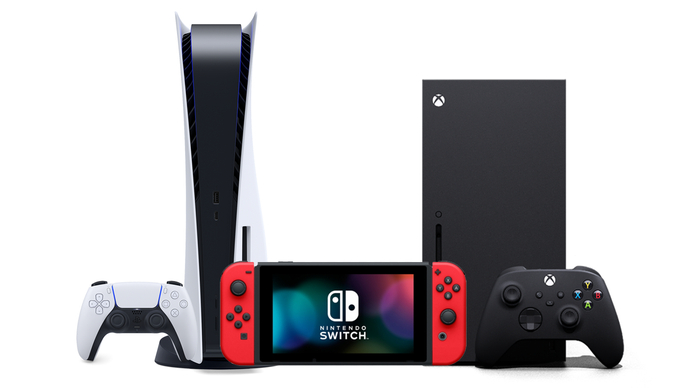
While one company’s results provide a data point, they do not define the entire market. The console business has historically been cyclical, with periods of strong growth followed by consolidation. The current generation of systems, including the PlayStation 5, Xbox Series X/S, and Nintendo Switch, launched into unique market conditions shaped by global events.
Historical data suggests console markets can remain robust even when individual companies face challenges. Market health is typically measured by total installed base, software attach rates, and consumer engagement levels across all major platforms, not solely by the quarterly revenue of a single manufacturer.
Future Outlook and Industry Monitoring
The coming weeks will provide a clearer picture as other publicly traded games companies release their financial statements. Investors and analysts will be examining reports from Sony’s gaming division and Nintendo for comparative performance metrics. These results will help distinguish between platform-specific issues and industry-wide patterns.
Furthermore, upcoming industry events and hardware sales reports for key shopping periods will offer additional evidence of consumer demand. The long-term trajectory of the console market will likely be influenced by the release schedules of major game titles, the adoption of new business models, and the ongoing evolution of competing platforms like PC and mobile gaming.
Source: GamesIndustry.biz