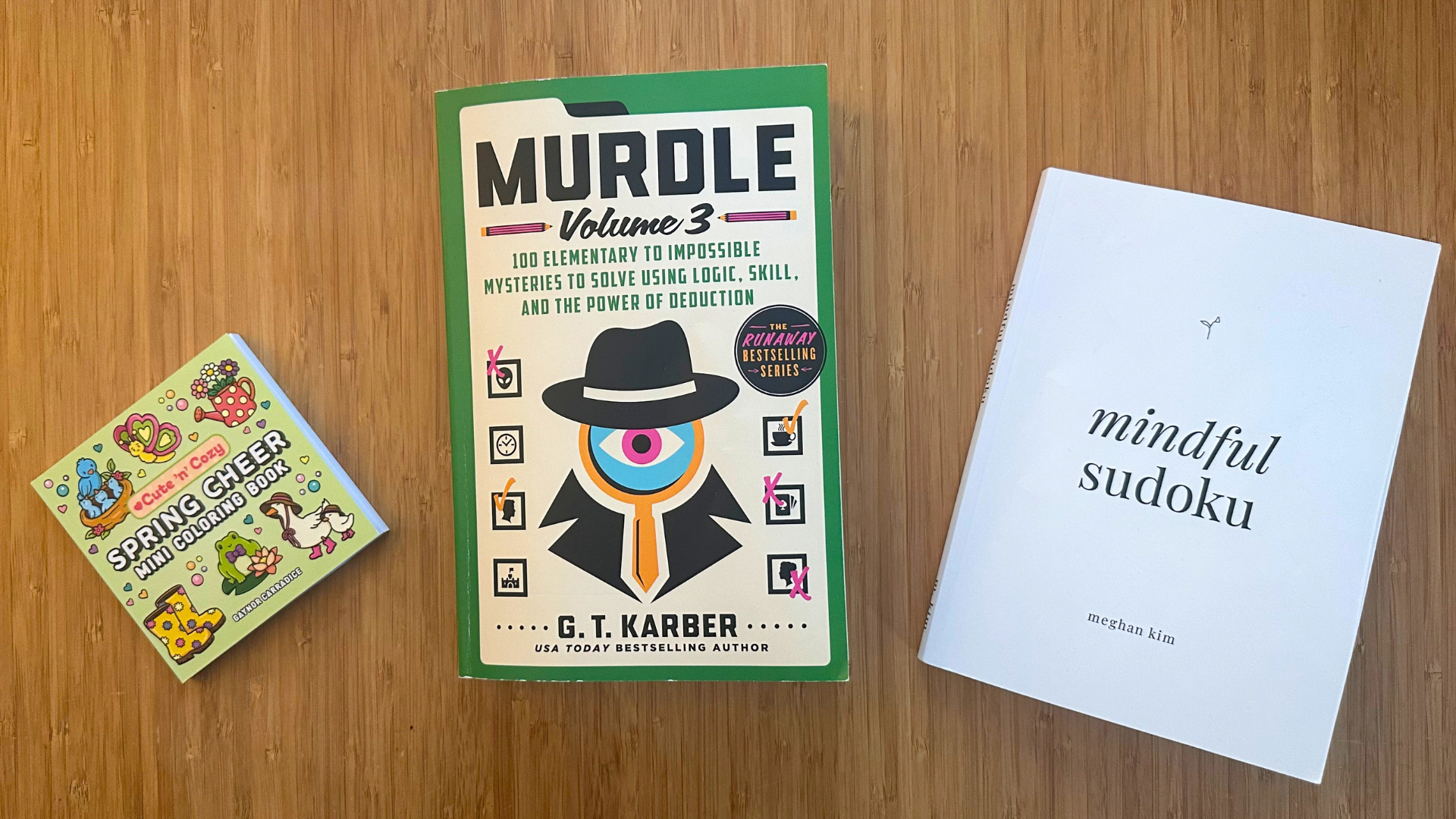

In 2026, a significant cultural shift towards reducing screen time has led to a notable resurgence in the popularity of analog activity books for adults. This trend is part of a broader movement where individuals worldwide are actively seeking methods to manage their digital device usage. The search for offline entertainment alternatives has become a common response to concerns over excessive screen time habits.
The Rise of Analog Alternatives
The demand for non-digital pastimes has increased as public awareness of screen time management grows. Activity books, which require no electronic devices, are being adopted by those looking to establish healthier boundaries with technology. This shift represents a practical approach to finding entertainment that exists outside of digital platforms and social media feeds.
These books encompass a wide range of formats beyond traditional coloring pages. They include puzzle collections, guided journals, creative writing prompts, and skill-building exercises designed for adult engagement. The common factor is their function as a focused, hands-on activity that provides a tangible alternative to scrolling on smartphones or tablets.
Addressing Digital Consumption Habits
Health and wellness professionals have long discussed the effects of prolonged screen exposure. In response, many individuals are now implementing personal strategies to curtail their device use. The adoption of activity books is one such strategy, offering a structured yet flexible outlet that does not involve a screen.
This trend aligns with other documented methods for reducing digital dependency. Some people schedule specific phone-free hours, while others use physical objects or designated spaces to limit temptation. Analog activity books serve a similar purpose by occupying time and attention with a concrete, creative task.
The movement is not about rejecting technology entirely, but rather about cultivating a more balanced and intentional relationship with digital tools. By providing an engaging offline option, these books help users disconnect periodically, which can support improved concentration and reduced digital fatigue.
Market and Cultural Response
Publishers and retailers have reported a steady increase in the production and sales of sophisticated activity books aimed at the adult market. This segment has expanded significantly from its earlier niche status to become a mainstream product category. The content has evolved to reflect adult interests, including complex geometric patterns, nature scenes, architectural drawings, and thematic puzzle books.
The appeal lies in the combination of cognitive engagement and the tactile experience of writing or drawing on paper. For many users, the process offers a form of mindfulness, directing focus to a single, manageable task without digital notifications or multitasking demands.
Social trends indicate that shared activities, such as group coloring or puzzle-solving sessions, are also emerging as small-scale community or family events. This social dimension adds another layer to the analog experience, fostering direct interpersonal interaction that differs from online socializing.
Looking Forward
Industry observers anticipate the demand for high-quality analog entertainment to continue as digital saturation remains a topic of public discussion. The development of new book formats and creative themes is expected to keep pace with consumer interest in mindful hobbies. Furthermore, educational and corporate wellness programs may begin to incorporate such analog tools as recommended practices for mental breaks and focus training. The ongoing integration of these offline activities into daily routines suggests a lasting adjustment in how people choose to allocate their leisure time, balancing digital convenience with the demonstrated benefits of periodic disconnection.
Source: Mashable