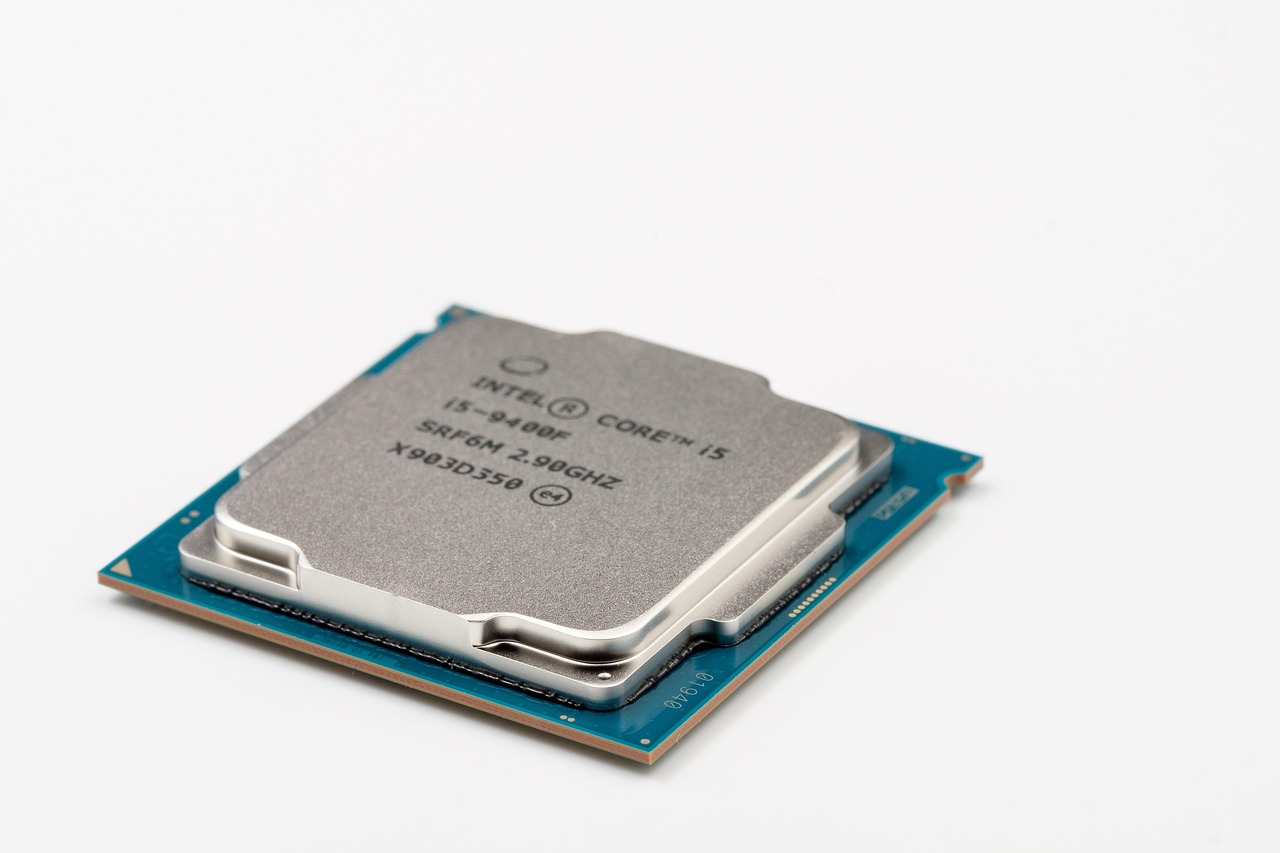

Intel Corporation has officially begun its entry into the discrete graphics processing unit (GPU) market, a sector long dominated by rival Nvidia. The company is assembling a dedicated team to spearhead this initiative, with its strategy centered on developing products that directly address specific customer requirements. This move marks a significant expansion of Intel’s traditional business in central processing units (CPUs) and integrated graphics.
Strategic Expansion and Market Context
The decision to develop discrete GPUs represents a strategic pivot for the semiconductor giant. For decades, the high-performance GPU landscape has been largely contested between Nvidia and Advanced Micro Devices (AMD). Intel’s integrated graphics solutions have been common in laptops and desktops, but they have not competed in the dedicated, high-power segment used for gaming, professional visualization, and artificial intelligence.
By building a focused team, Intel signals a long-term commitment to becoming a viable third player. The company’s approach, as stated, will prioritize customer needs, suggesting potential focus areas could include data center accelerators for AI, professional workstation cards, or consumer gaming components.
Technical and Competitive Implications
Entering the established GPU market presents considerable technical and commercial challenges. Designing a competitive architecture requires significant research and development investment. Furthermore, software support, particularly in the form of stable drivers and developer ecosystems, is critical for success and has been a key strength of the existing market leaders.
Industry analysts note that increased competition could benefit consumers and businesses through more innovation and potentially lower prices. However, the success of Intel’s endeavor will depend on the performance, power efficiency, and software maturity of its final products.
Broader Industry Impact
Intel’s move occurs during a global chip shortage and soaring demand for computing power, especially in data centers and for AI research. A new source of advanced GPUs could help alleviate supply constraints over time. It also aligns with Intel’s broader IDM 2.0 strategy, which aims to regain manufacturing leadership and expand its product portfolio.
The company’s vast manufacturing resources and experience in chip design provide a foundational advantage. Yet, translating those strengths into a successful GPU product line that gains acceptance from gamers, creators, and enterprise customers remains a formidable task.
Future Outlook and Developments
While Intel has confirmed the development effort, official timelines for product announcements and market availability remain undisclosed. The industry will be watching for technical disclosures, such as architecture details and performance benchmarks, in the coming quarters. Market reception will ultimately hinge on real-world performance and value proposition compared to offerings from Nvidia and AMD. This entry sets the stage for a more competitive and dynamic high-performance computing landscape in the years ahead.
Source: GeekWire