
security operations centers globally are facing significant challenges due to an overabundance of security tools and alerts, according to industry observations. This situation is leading to operational inefficiency and increased pressure on cybersecurity professionals.
The Burden of Modern Security Stacks
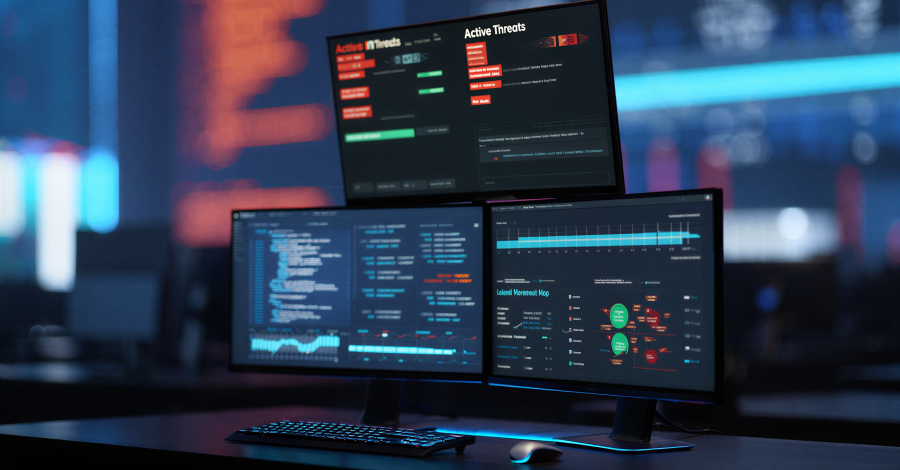
Many security teams report feeling overwhelmed by the number of dashboards and tools they must manage. The constant stream of alerts, often described as excessive noise, makes it difficult to identify genuine threats and measure meaningful progress. Analysts are frequently stretched thin, managing complex and often bloated technology stacks.
This environment persists despite frequent vendor claims of providing complete security coverage or advanced automation powered by artificial intelligence. The result, as noted by professionals in the field, is a high risk of missing critical security signals while resources remain constrained.
Industry Calls for Strategic Reassessment
The ongoing challenge has sparked discussion within the cybersecurity community about the need for a more strategic approach to security operations. The core issue centers on determining the most effective allocation of resources, personnel, and technology.
Experts indicate that a key question for organizations is deciding which security functions to develop internally, which to acquire from external providers, and which processes to automate for maximum efficiency. This strategic blueprint is seen as essential for moving from a reactive posture to a more proactive and intelligent security operation.
The goal is to reduce alert fatigue and tool sprawl, allowing analysts to focus on higher-value investigative work. The discussion emphasizes practical outcomes over marketing promises, focusing on tools that demonstrably improve security posture.
Looking Ahead: Integration and Automation
The path forward for many security operations centers is expected to involve greater integration of existing tools and measured adoption of automation. Industry analysts predict a shift towards platforms that can consolidate data and workflows, reducing the need for analysts to constantly switch between disparate interfaces.
Furthermore, the strategic application of automation for repetitive, low-level tasks is anticipated to free up human expertise for complex threat hunting and incident response. The next phase of SOC evolution will likely prioritize clarity, measurable results, and a streamlined toolset that aligns directly with an organization’s specific threat landscape and capabilities.
Source: Industry Analysis