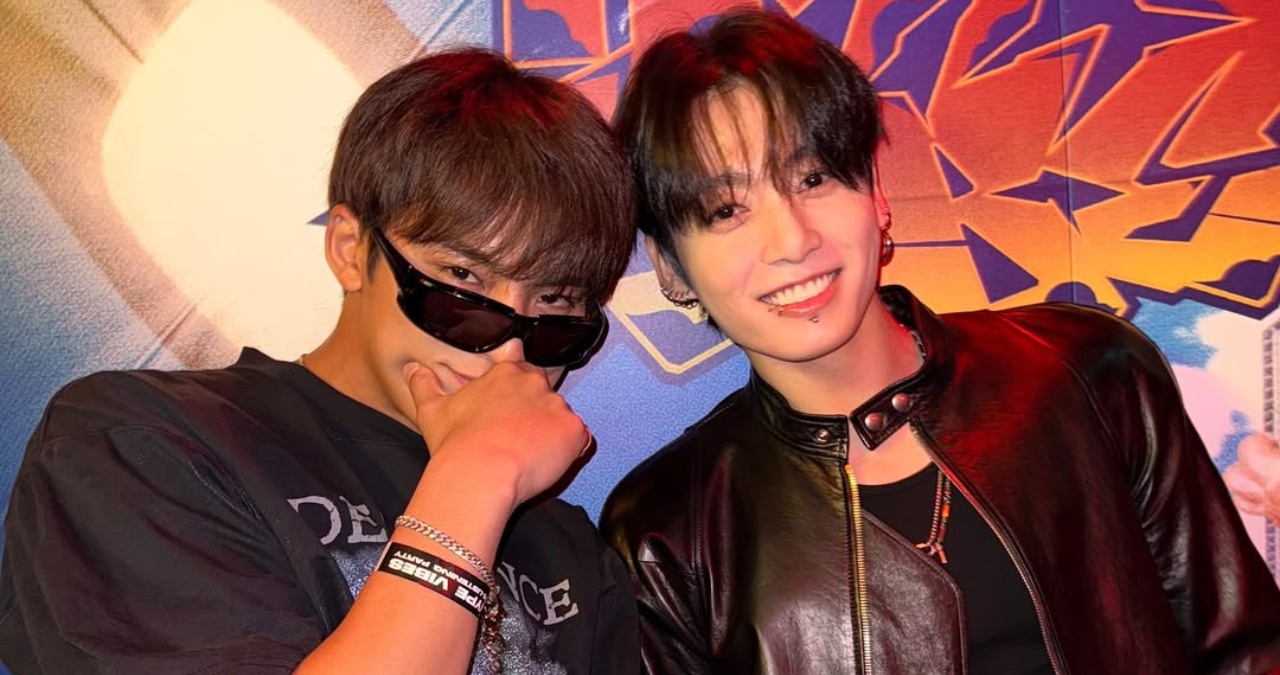

In an incident highlighting ongoing privacy concerns for celebrities, SEVENTEEN member Kim Mingyu directly confronted an individual who reportedly asked for the personal phone number of BTS member Jeon Jungkook. The encounter occurred during a public event in Seoul, South Korea, on Tuesday. The situation underscores the persistent challenges K-Pop idols face from overly intrusive fans, commonly referred to as sasaengs.
Confrontation at a Public Event
According to multiple fan accounts and circulated video footage, Mingyu was interacting with fans when an individual approached with a request. The person reportedly asked Mingyu to provide Jungkook’s private contact information. In response, Mingyu firmly declined the request and told the individual to leave the vicinity. His direct statement, “Please get out,” was captured by attendees’ recordings.
The event was a scheduled fan engagement activity. Security personnel intervened following the exchange to ensure order was maintained. Representatives for SEVENTEEN’s agency, Pledis Entertainment, which is under the HYBE Labels umbrella, have not yet released an official statement regarding the specific altercation.
Background on Sasaeng Culture
The term “sasaeng” describes fans who engage in obsessive and invasive behavior, often crossing legal and ethical boundaries to access idols. Such actions include stalking, attempting to obtain private phone numbers, and unauthorized visits to personal residences. This culture poses significant security and mental health risks for artists across the South Korean music industry.
Both SEVENTEEN and BTS, as global phenomena with massive fan bases, have historically been frequent targets of sasaeng activities. Agencies routinely implement strict security protocols and have pursued legal action in severe cases to protect their artists’ safety and personal lives.
Industry and Fan Reactions
The incident has sparked widespread discussion on social media platforms and online communities. Many international fans have praised Mingyu’s decisive action, framing it as a necessary defense of personal boundaries and an act of protecting a fellow artist’s privacy. The moment has been described by supporters as demonstrating strong camaraderie between idols.
Conversely, the event has renewed criticism toward the extreme facets of fan culture that enable such intrusions. Industry commentators note that while most fans are respectful, the actions of a small minority continue to necessitate public confrontations and heightened security measures.
Legal and Security Implications
South Korean law provides avenues for celebrities to seek protection orders and press charges for stalking or invasion of privacy. The “Stalking Punishment Act,” which took effect in 2021, allows for stricter penalties. Entertainment companies increasingly utilize these legal tools alongside physical security teams to deter sasaeng behavior.
Incidents like the one involving Mingyu often prompt agencies to review and tighten security arrangements for upcoming public schedules. They also serve as public reminders of the constant vigilance required to separate an idol’s public persona from their private life.
Looking Ahead
HYBE Labels is expected to continue its established policy of taking legal measures against any actions that threaten artist safety. The industry-wide focus on developing more effective digital and physical security measures to combat doxxing and personal information leaks is likely to intensify. Further official communication may be issued if the agency determines the incident warrants a formal response or legal follow-up.
Source: Mashable