
The lead developer behind the popular horror game “Poppy Playtime” has publicly articulated a design philosophy centered on narrative restraint, arguing that unexplained elements can be more frightening for players. George Krstic, a key figure at the game’s development studio, Mob Entertainment, made these comments in a recent interview, drawing a direct comparison to the iconic, enigmatic villain Pyramid Head from the “Silent Hill” series.
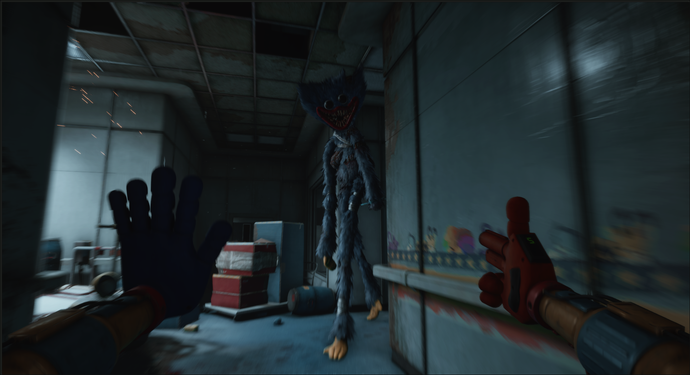
Krstic’s statements provide insight into the creative decisions that shaped “Poppy Playtime,” a title that achieved significant commercial success following its Steam release in 2021. The game tasks players with exploring an abandoned toy factory filled with hostile, toy-like creatures, most notably the long-armed, blue-haired entity known as Huggy Wuggy.
Commercial Success and Design Philosophy
According to market data from Video Game Insights, “Poppy Playtime” has sold approximately 3.2 million copies on the Steam platform alone. Millions more have engaged with the game through its subsequent releases on console and mobile devices, cementing its status as a notable independent horror phenomenon.
The game’s financial performance has occurred alongside a deliberate creative strategy. Krstic emphasized that the team intentionally withheld extensive backstory for its monstrous characters, believing that a degree of mystery amplifies fear. He used the example of Pyramid Head, a character from Konami’s “Silent Hill 2,” whose terrifying impact is derived largely from his unexplained presence and symbolism rather than a detailed origin story.
The “Less is More” Approach to Fear
This “less is more” philosophy, as described by Krstic, contrasts with narrative trends in some modern horror media that provide extensive lore or motivation for antagonists. The approach in “Poppy Playtime” focuses on environmental storytelling and player inference. Clues about the factory’s downfall and the nature of its inhabitants are scattered throughout the setting, requiring players to piece together the narrative rather than having it explicitly delivered.
Industry analysts note that this method can create a more immersive and personally unsettling experience. When elements are not fully explained, a player’s imagination often constructs explanations that are uniquely frightening to them. This design choice also aligns with classic horror techniques used in literature and film, where the unseen or unknown frequently proves more terrifying than any visual reveal.
Industry Context and Player Reception
The success of “Poppy Playtime” and its stated design principles arrives during a period of robust activity within the independent horror game sector. Titles that leverage atmospheric tension and psychological fear, often with limited resources, have repeatedly found large audiences. Player communities frequently dissect environmental clues and character designs, generating extensive online discussion and theory-crafting that extends the game’s lifespan and cultural impact.
Krstic’s commentary has sparked discussion among game developers and horror enthusiasts regarding the balance between mystery and exposition. While some narratives benefit from deep lore, Krstic’s argument posits that for certain types of horror, withholding information is a strategic tool for maintaining dread and uncertainty.
Future Developments and Projections
Mob Entertainment continues to develop the “Poppy Playtime” series, with new chapters expanding the game’s world. Based on the established design philosophy, future installments are expected to continue emphasizing environmental storytelling and character mystery over exhaustive exposition. The studio’s ongoing work will likely serve as a continued case study for the practical application of this horror narrative technique within a commercially successful franchise. The broader independent game development community will be observing how this balance between revealed and concealed narrative affects long-term player engagement as the series progresses.
Source: GamesIndustry.biz